

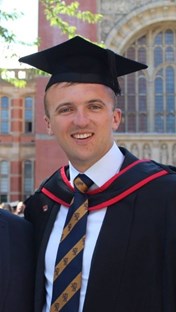
Dr Samuel Bourke, University of Birmingham Graduate and British army doctor, describes his experience of becoming a Foundation Year 1 (FY1) doctor and shares the lessons he has learned.
Passed Finals? Got through the PSA (Prescribing Safety Assessment)? Had a whale of a time on your elective? Now it’s time to start work as a Foundation Doctor.
You’ve been slaving away for the last 5 or 6 years, so surely you’ll be ready for the big first day? The truth is that there are actually lots of things that Medical School will not prepare you for, but there are some things that you can do to help you be in the best possible position for your first day. Here are a collection of things that you can do to help you out in advance, as well as some useful tips that I wish I would have known before I started.
1. Getting information from the Foundation Doctor you will be following is essential

2. Master the dreaded switchboard
Most hospitals use a fantastic application called Induction to help get around this problem. It is a free app, available on both on iPhone and Android, that acts as a store for all of the direct numbers throughout your respective hospital. It even stores mobile numbers for some of the specialities in the hospital, and also allows you to add numbers in that you think would be useful. If your hospital is on the platform, then I would absolutely recommend it.
3. Map Out Equipment and store cupboards
4. Lists, lists, and more lists
Scraps of paper with jobs lists can often be a bit of a nightmare, too. I resorted to using a clipboard/jobs box that I take on the ward round to help keep things in order. It’s not the most trendy accessory, but it’s super functional. You can also have a store of useful documents on you during the ward round, too (imaging and blood request forms etc).

5. Master Communication Skills & Teamwork
6. Getting hangry?
7. Learn how to Write Discharge Summaries
An essential skill for an FY1 is writing discharge summaries. A discharge summary is a clinical report that is prepared at the end of a patient's stay in a hospital or after a series of treatments. This is an essential skill as this document will be the primary format of communication between those who have cared for the patient in the hospital and the aftercare provider.
A poorly written discharge summary has the potential to jeopardise a patient’s aftercare and may lead to hospital readmission for a patient. The best advice is to keep your summaries simple. Focus on the key events (For example, history and examination findings, investigations, diagnoses, complications, procedures, and discharge advice). It’s also valuable to include discharge medications as they may need to be ordered from a pharmacy. However, avoid copying the entire scan report and giving GP tasks that are urgent as it can take longer than 2 weeks for this information to reach the GP.
Finally, ensure you get feedback on your discharge summaries to learn how to improve your discharge summaries as well as use this feedback as a CBD for your e-portfolio.
The transition between student to doctor can be daunting, but preparing effectively for the first day can make a big difference.
Best of luck everyone!
***
Ready to test what you know? Work through 20 free Pastest exam-style questions and experience the platform for yourself, with no sign-up required.